

This Tuesday, October 21, the European Parliament gave the “green light” to the modernization of the rules on driving licenses in the European Union, allowing 17-year-olds to drive alongside an experienced driver and the use of a digital license.
In the plenary session, in the French city of Strasbourg, MEPs supported the review of the rules for driving licenses, with new provisions relating to newly licensed drivers, the digital driving license and driving disqualification.
This is an update to the European Union (EU) rules for driving licenses, “with the aim of improving safety and reducing road collisions, which result in the loss of almost 20,000 lives a year on EU roads”, according to the European assembly.
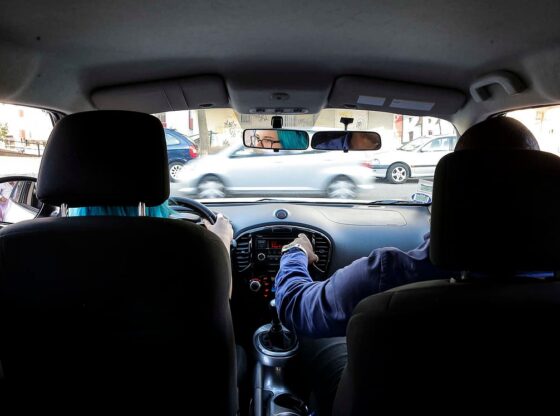
With the new rules, 17-year-olds will be able to obtain a light car driving license (category B), but they will have to drive accompanied by an experienced driver until they reach 18 years of age.
It is also foreseen, for the first time, a minimum probationary period of two years for newly licensed drivers with stricter rules and sanctions regarding driving under the influence of alcohol and failure to use seat belts or child restraint systems.
To alleviate the shortage of professional drivers, new rules allow people aged 18 to obtain a truck driving license (category C) and people aged 21 to obtain a bus driving license (category D), as long as they hold a certificate of professional aptitude. If they are not, you will need to be 21 and 24 years old, respectively, to drive these vehicles.
Another novelty lies in the digital version of the driving licensewhich should now be accessible from a mobile phone, the new main format in the EU, when nowadays it is a physical card.
As for training, the exam for granting a driving license will now include knowledge about the risks of blind spots, driver assistance systems, the safe opening of doors and the risks of distraction when using the telephone.
Regarding validity, driving licenses will now be available for 15 years for motorcycles and cars, with the possibility for Member States to reduce this period to 10 years if the driving license is used as a national identification document.
Driving licenses for trucks and buses will be valid for five years.
It is expected that EU countries may reduce the validity period for drivers aged 65 or over in order to subject holders to a greater frequency of medical examinations or refresher courses.
To obtain the first driving license or when applying for renewal, the driver must pass a medical examination, which includes vision and cardiovascular health tests.
It also stipulates the exchange of information between EU countries regarding the seizure, suspension or restriction of a license, with a view to preventing reckless driving abroad.
The new rules will come into force on the 20th day after their publication in the Official Journal of the European Union, with the Member States have three years to transpose the directive into national law and another year to prepare its application.
This review was initially proposed by the European Commission in March 2023.